
Tafsir al-Mizan, Volume 19
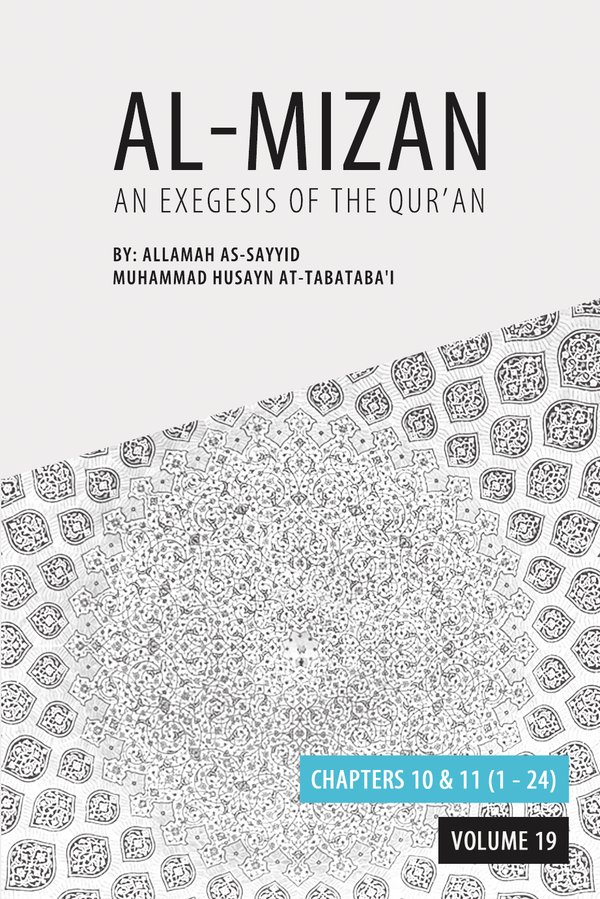
Volume nineteen continues the commentary on Sūrah Yūnus (Chapter 10), covering verses 1–109, and begins the commentary on Sūrah Hūd (Chapter 11). This volume offers profound insights into theological, historical, and ethical dimensions of the Qur’anic message, focusing on divine guidance, human accountability, and the stories of past prophets.
The commentary begins with an exploration of the Qur’an as a divine revelation (verses 1–20 of Sūrah Yūnus). ʿAllāmah reflects on the challenges faced by the Prophet Muḥammad in conveying the Qur’anic message, emphasizing the role of reason and reflection in understanding divine guidance. This section critiques the rejection of truth by disbelievers and their reliance on baseless conjecture.
A significant portion of this volume is dedicated to the narrative of Prophet Noah (verses 71–74) and the lessons drawn from his unwavering commitment to his mission. ʿAllāmah Ṭabāṭabaʿī examines Noah’s interactions with his community, their rejection of his message, and the eventual consequences of their disobedience. This discussion highlights the broader Qurʾānic theme of divine justice and mercy.
The commentary on Sūrah Yūnus also includes reflections on God’s attributes, emphasizing His mercy, omnipotence, and omniscience (verses 31–44). ʿAllāmah elaborates on the interconnectedness of divine attributes, exploring how they manifest in creation and guidance. These discussions highlight the importance of trust in God’s wisdom and the futility of idolatry.
The volume transitions into Sūrah Hūd with an analysis of the stories of earlier prophets, such as Hūd, Ṣāliḥ, and Abraham. ʿAllāmah draws parallels between the challenges faced by these prophets and the struggles encountered by the Prophet Muḥammad (s.a.w.), emphasizing the timeless relevance of their examples for contemporary believers. The commentary highlights themes of steadfastness, reliance on God, and the consequences of moral corruption and disbelief.
A notable theme throughout this volume is the Qurʾānic call to reflect on the signs of God in nature and history. ʿAllāmah Ṭabāṭabaʿī emphasizes the importance of using reason and reflection to deepen one’s faith and understanding of the divine message. He critiques superficial interpretations and stresses the need for sincerity and humility in seeking truth.
Subtle discussions in this volume include the interplay between divine decree and human free will, the philosophical implications of prophetic missions, and the ethical responsibilities of individuals and communities. ʿAllāmah integrates these themes with historical analysis, providing a comprehensive understanding of the Qurʾānic narrative.
Read this volume online
The commentary in this volume is on almizan.org:
Where to buy
See our authorised distributors, or email [email protected].